 Salesforce
 MS Dynamics 365
 Oracle NetSuite
 SAP
SAP Walmart
 Amazon
 Shopify
 Snowflake
 Acumatica
Ecommerce integration guide for peak season
 Updated Feb 17, 2026
Optimizing ecommerce performance for seasonal spikes.

Holiday sales events put pressure on every part of your ecommerce infrastructure, from order processing to inventory sync to system throughput.
This guide brings together several of Celigo’s most relevant technical resources to help you prepare your integrations and automation strategy for peak seasonal spikes.
Each of these six resources provides practical, implementation-level guidance on scaling data flows, tuning concurrency, automating inventory buffers, and supporting storefront growth, enabling you to maintain performance and accuracy during periods of high volume.
1. Best practices to optimize ecommerce app throughput performance
This guide outlines how to scale flow execution, mitigate resource contention, and maintain performance during peak periods. It includes a technical readiness checklist and a before-during-after action plan to help you stay ahead of seasonal demand.
You’ll find both general and app-specific guidance for handling high-order volumes, reducing latency, and preventing processing bottlenecks across key ecommerce systems.
2. Optimize multiple connections in your Integration App flows
Reusing a single connection across all steps in a flow can create a performance bottleneck, especially during high-volume periods. This guide explains how using multiple connections within Integration Apps can significantly improve throughput, reduce wait times, and maintain responsiveness under load.
This includes a step-by-step troubleshooting checklist to help diagnose slow flows. The recommendations progress from quick checks to more advanced fixes, providing a structured approach to identifying and resolving performance issues.
3. How to automate buffer stock for marketplace inventory accuracy
Overselling on marketplaces like Amazon, Shopify, or Walmart can lead to canceled orders, customer dissatisfaction, and even account penalties. To avoid this, many businesses use buffer stock logic (holding back a portion of available inventory to create a margin of safety across external channels).
You can configure dynamic buffer rules that automatically adjust inventory quantities synced from your ERP to each marketplace, eliminating the need for manual updates or hard-coded thresholds.
This demo (with video) shows you how to automate buffer stock using Celigo.
4. Multi-instance flows: Scale ecommerce integrations across multiple storefronts
Managing storefront integrations during peak ecommerce seasons demands scale, speed, and stability. When you’re operating across hundreds of storefronts, small changes in integration logic can become a maintenance bottleneck.
Multi-instance flows offer a scalable approach to managing shared integration patterns. They allow you to define the logic once in a master flow, then deploy it across multiple storefronts, environments, or tenants with lightweight, instance-specific overrides.
5. Concurrency best practices for large data volumes
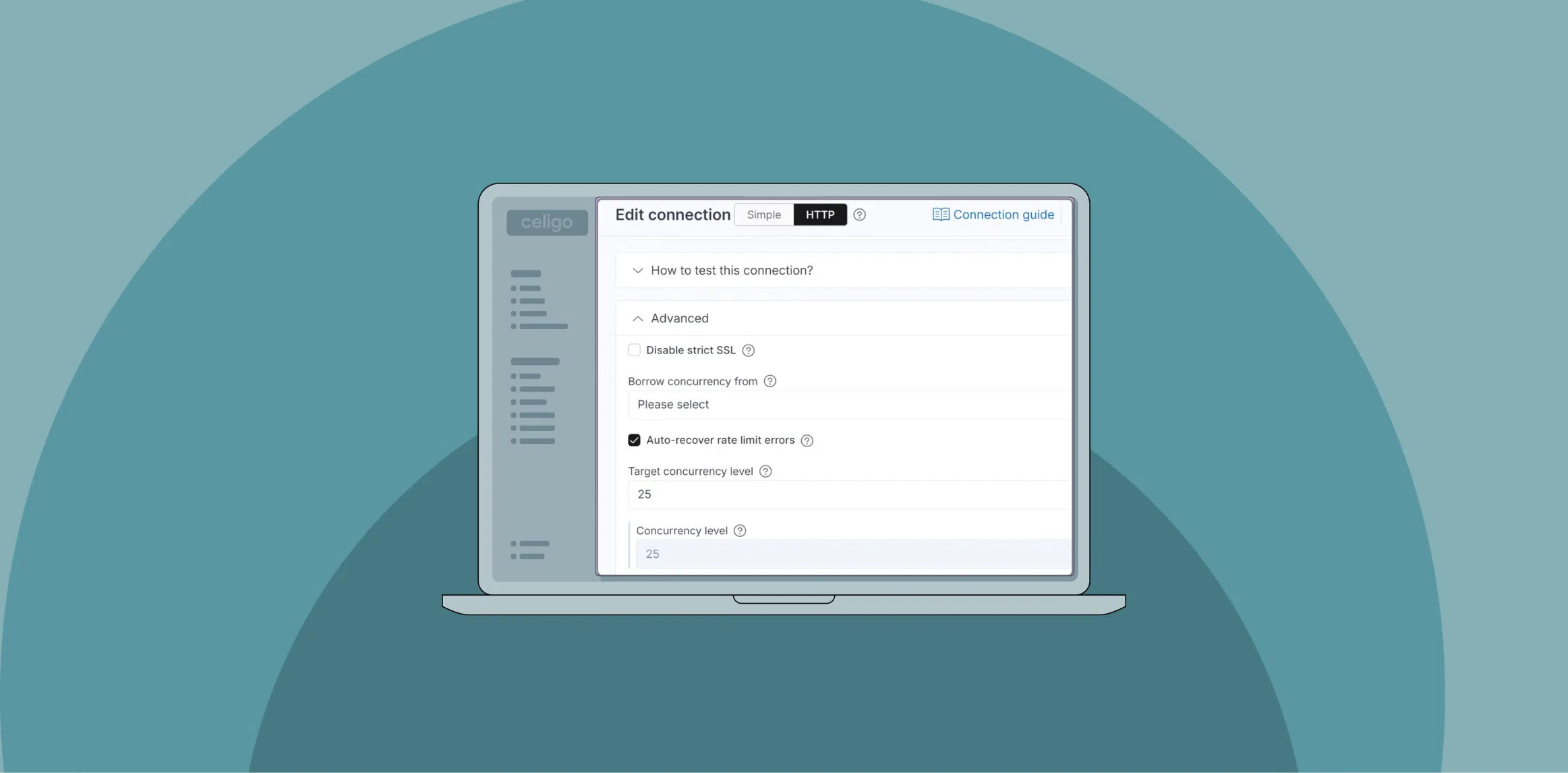
Concurrency allows your flows to run in parallel, improving throughput during peak activity. But misconfigured concurrency settings can lead to throttling, delays, and missed SLAs.
This guide outlines how to manage concurrency effectively in Celigo, especially when processing large data volumes during peak season.
- How to configure concurrency settings for optimal performance
- Strategies to prevent API throttling and resource contention
- Best practices for scaling high-volume flows reliably
6. Holiday-proof your ecommerce tech stack
Ecommerce technology experts from Celigo and leading partners share practical strategies to optimize your stack for the holiday season.
You’ll hear how to automate and scale critical processes, like order management, fulfillment, and inventory, without falling behind or risking downtime during BFCM-level demand.
- Identify bottlenecks and automation opportunities across your tech stack
- Optimize order management, inventory sync, and fulfillment accuracy
- Scale integrations without compromising performance or data integrity
Additional resources
Preparing your ecommerce systems for peak season isn’t just about handling volume; it’s about ensuring reliability, visibility, and control across every integration. The practices in this guide are designed to help you reduce risk, improve performance, and scale with confidence.
For more walkthroughs, architecture tips, and platform best practices, visit Builder’s Hub.
Builder’s Hub is Celigo’s resource center for integration best practices, product updates, and use case-based video demos.